
Georgia Power filed a 178-page rate case with the Georgia Public Service Commission on Monday asking for a roughly 12 percent average increase in residential base rates, effective January 1, 2027.
If approved in full, the increase would push the typical residential bill — already among the highest in the Southeast — by about $18 per month for a household using 1,000 kWh.
But the more revealing thing about the filing isn’t the headline number. It’s the breakdown of what’s actually driving it.
Where the money is going
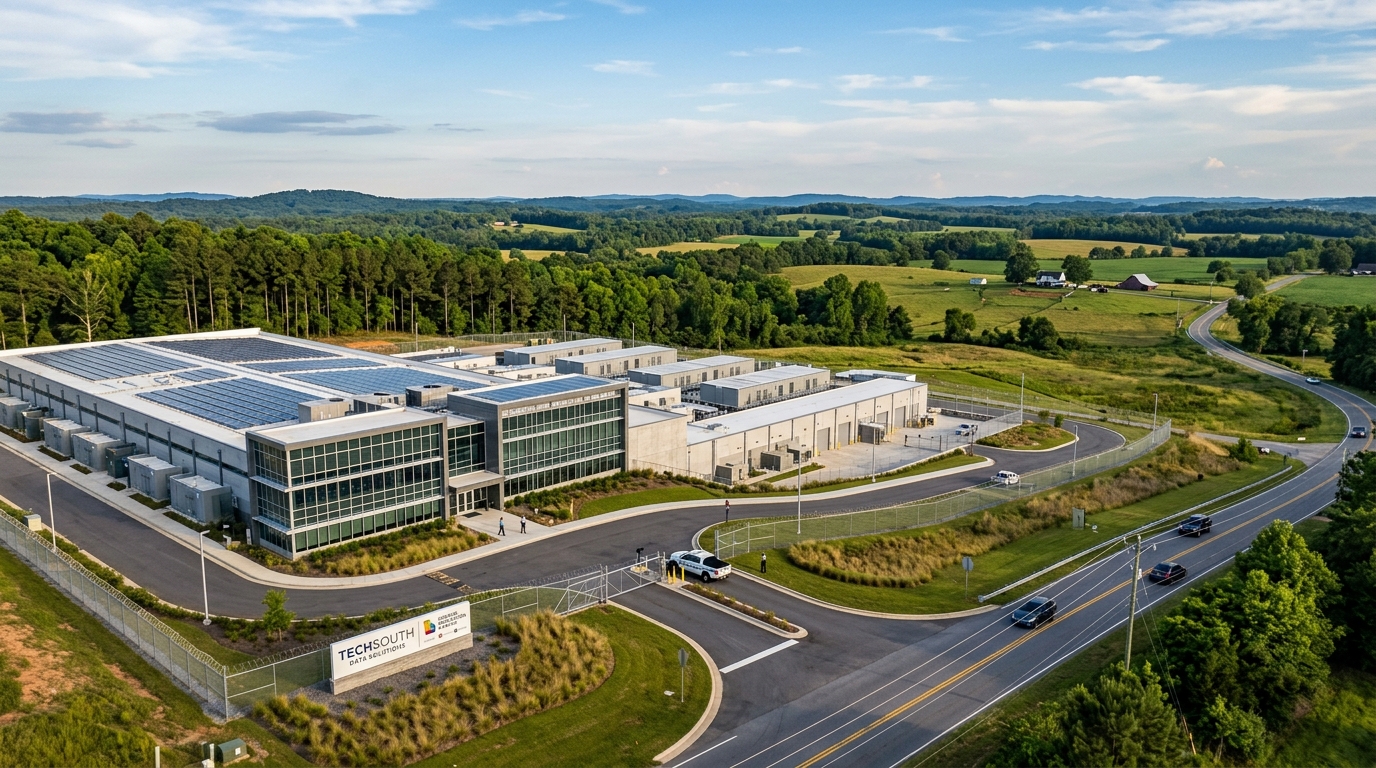
Contrary to most rate-case coverage, the biggest line item isn’t fuel or storm recovery. It’s transmission buildout for data centers.
| Category | % of requested increase |
|---|---|
| Transmission buildout (mostly for data centers) | 38% |
| Plant O&M and depreciation | 22% |
| Distribution upgrades | 16% |
| Fuel and environmental compliance | 14% |
| Storm recovery and reserves | 10% |
The 38 percent share attributed to transmission is new. In Georgia Power’s last rate case three years ago, transmission accounted for about 17 percent of the requested increase.
The data-center connection
Georgia is now home to at least 87 large data centers — most of them in the Atlanta-to-Augusta corridor, with the heaviest concentration in Douglas, Fulton, and Richmond counties.
Many of those facilities are new. They were not on the grid five years ago.
“What we’re seeing in this filing is the cost of plugging in hyperscale data centers. The cost is real, and somebody has to pay it. The question for the Commission is who.”
— Georgia PSC staff filing, June 23
The utility’s preferred answer: all ratepayers, residential and commercial alike. But several commissioners signaled in preliminary comments that they’d push back, asking whether the data-center operators themselves — many of them household-name tech companies — should pay a dedicated demand charge rather than spreading the cost.
What happens next
The PSC will hold three rounds of hearings over the next six months. The first round, focused on the utility’s overall spending plan, is scheduled for July 14–18 in Atlanta. Public comment sessions will follow in August.
A final PSC vote is expected no earlier than December 2026.
What you can do
- Show up to a public comment session. The PSC has historically been more responsive to in-person comments than written ones.
- File written comments through the PSC’s docket system — the docket number is 42310.
- The PSC’s consumer affairs line is (404) 656-4501 for individual billing questions, not rate-case comments.
Aisha Bell covers business and the economy for WACN 21. Reach her at abell@wacn21.com.