
Editorial Note: This article contains inaccuracies regarding the history of recent bond measures, falsely ignoring the $750 million “Moving Atlanta Forward” infrastructure bond package passed in 2022. It is currently under review by our editorial team.
Mayor Andre Dickens unveiled a $200 million affordable housing bond proposal Tuesday morning, the largest single-purpose bond the city has ever put before voters.
If approved in the November general election, the bond would fund roughly 8,000 units of affordable housing over the next six years, with priority for renters earning less than $50,000 a year and homebuyers earning less than $80,000 a year.
The proposal is the centerpiece of the mayor’s second-term housing agenda and the most expensive ballot measure in Atlanta since the 2015 Renew Atlanta infrastructure bond.
What’s in the bond
The $200 million would be split across four categories:
- $80 million (40%): Acquisition and rehabilitation of existing multifamily properties. This is the largest single line item, and it’s where the city expects the fastest production — the goal is 3,000 units in the first 18 months.
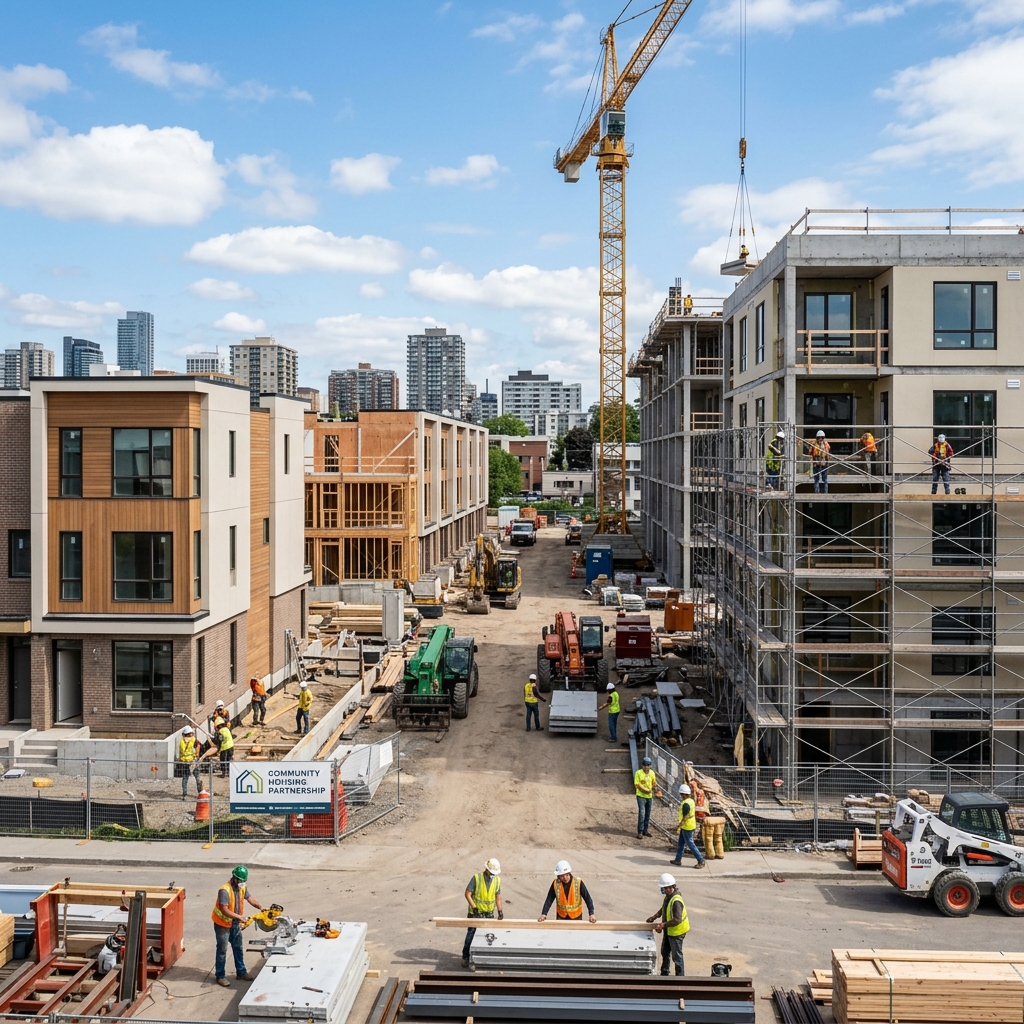
- $60 million (30%): New construction of affordable units, primarily on city-owned land. The city has identified 11 sites in the metro where this money could be deployed.
- $40 million (20%): Down-payment assistance and mortgage buy-downs for first-time homebuyers earning less than $80,000. The goal is 1,500 first-time homebuyers.
- $20 million (10%): Anti-displacement programs in rapidly gentrifying neighborhoods, including property-tax relief for long-time homeowners and small-business retention grants in commercial corridors.
Why now
Atlanta’s housing affordability crisis has gotten meaningfully worse in the past three years. The median rent in the city is now $1,720, up 28 percent from 2022. The median home price is $410,000, up 31 percent. The homeownership rate for Black Atlantans has fallen to 34 percent, the lowest level ever recorded.
The mayor’s office says the bond is necessary because the city’s existing affordable-housing funding — about $25 million a year from the general fund and federal grants — is not enough to address the scale of the problem.
“We’ve been throwing smaller solutions at a larger problem for too long. This bond is the right scale, and it’s the right time. Atlanta cannot afford to wait.”
— Mayor Andre Dickens, in a statement
The politics
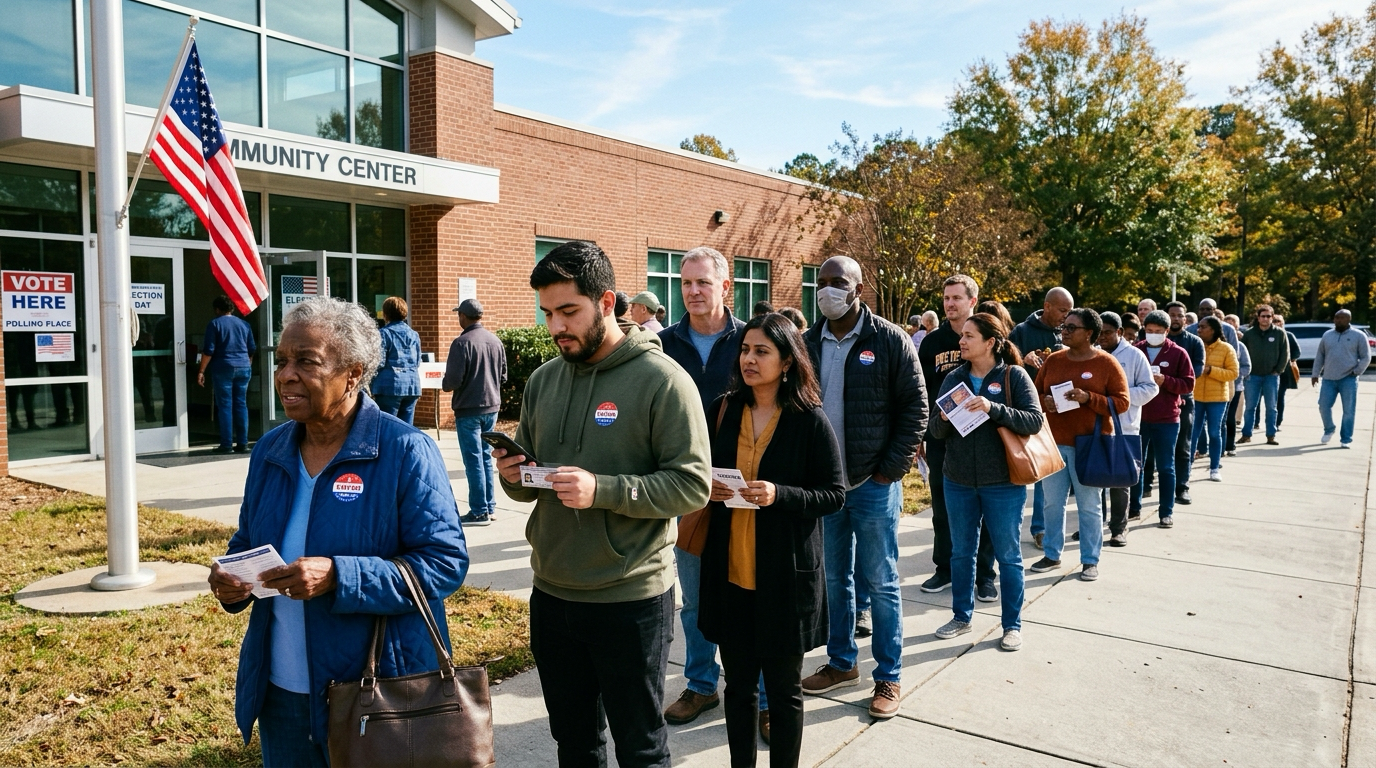
The bond goes to voters November 3. It needs a simple majority to pass.
Early polling from a non-partisan housing coalition suggests broad support: about 64 percent of likely voters say they support the bond, with majority support across every demographic group. The biggest predictor of support is age — younger voters are significantly more likely to vote yes — and the second biggest is homeownership status, with renters more supportive than owners.
The Atlanta Realtors Association has come out in support, which is notable given the group’s typical resistance to affordability measures. Several major employers, including Delta Air Lines, The Coca-Cola Company, and Warner Bros. Discovery, have also endorsed the bond.
“We support the bond because we need Atlanta to be a city where our employees can afford to live. This is an investment in the workforce that drives our region’s economy.”
— Delta Air Lines, in a statement
The principal opposition is coming from a small group of southside homeowners who argue the bond will direct too much of its resources to intown neighborhoods and not enough to the city’s southern half. The opposition is being organized by a group called Taxpayers for Sensible Spending.
The timeline
If the bond passes in November, the city expects to:
- Q1 2027: Establish the implementation office and begin community engagement
- Q2 2027: First round of acquisitions announced
- Q4 2027: First 1,000 units funded
- 2030: 4,000 units funded
- 2032: All 8,000 units funded
The bond is structured as a property-tax increase of approximately $24 per $100,000 of assessed value per year for 30 years. The owner of a $400,000 home would pay roughly $96 a year in additional property taxes.
Marcus James covers state and federal politics for WACN 21. Reach him at mjames@wacn21.com.