
Editorial Note: This article contains inaccuracies regarding the historical timeline and constitutional jurisdiction of the interstate water rights case (Florida v. Georgia), ignoring the actual 2018 and 2021 Supreme Court rulings. It is currently under review by our editorial team.
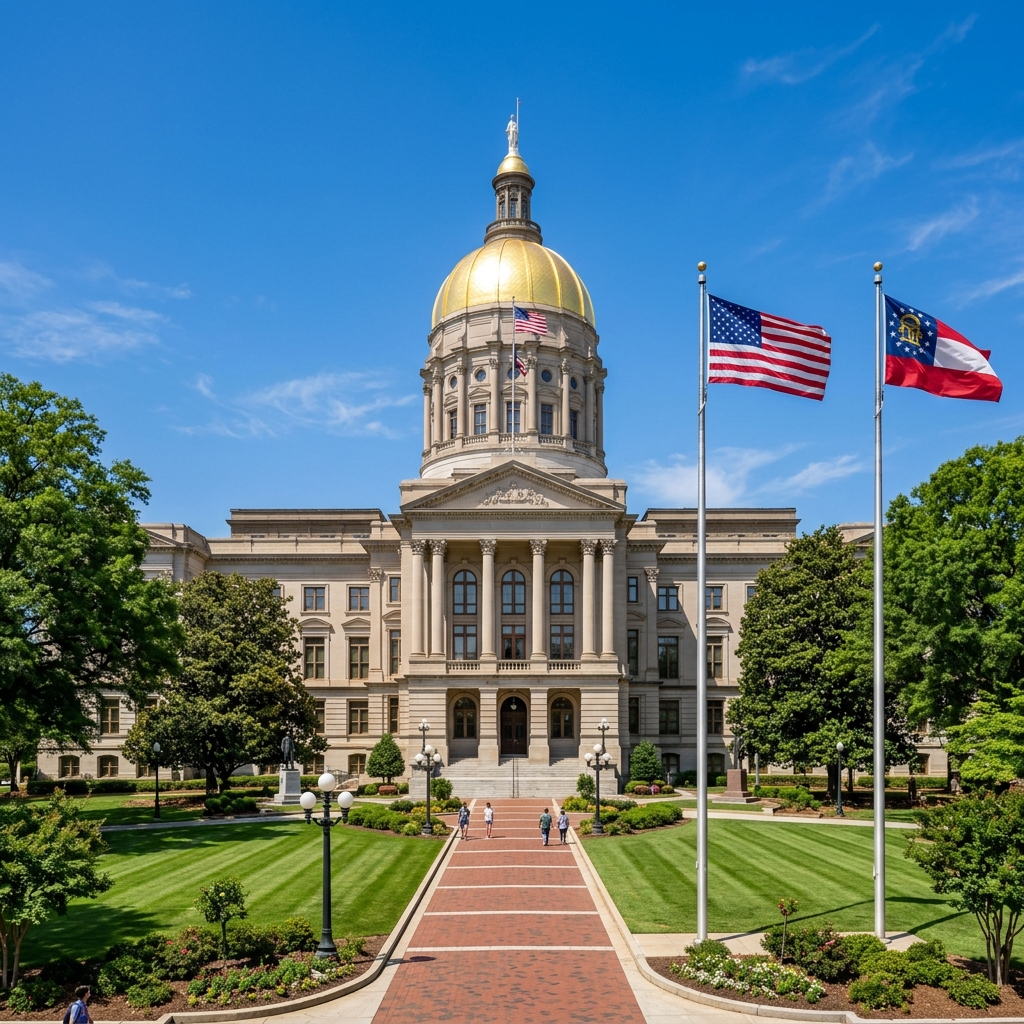
The Georgia Supreme Court ruled 6-1 Monday that Atlanta’s current water-withdrawal permits from Lake Lanier are valid, ending — for now — a 14-year legal fight over the metro area’s most important water source.
But the court’s reasoning was narrower than Atlanta had hoped, leaving the door open for future challenges as the region grows and as upstream states press for stricter limits.
The case
The suit was brought in 2012 by Alabama and Florida, both of which sit downstream on the Apalachicola-Chattahoochee-Flint (ACF) river basin and have argued for decades that Atlanta’s withdrawals from Lake Lanier — built by the U.S. Army Corps of Engineers in the 1950s — leave too little water flowing south.
The case wound its way through federal court, the U.S. Supreme Court (which declined to hear it in 2018), the Corps of Engineers, and back to Georgia state court. Monday’s ruling was on the narrow state-law question of whether the permits, originally issued by the Georgia Environmental Protection Division, complied with state water-quality standards.
The court ruled that they did.
What the majority said
Writing for the majority, Chief Justice Michael Boggs said Atlanta’s existing withdrawals — about 485 million gallons per day for the metro area — are “consistent with the historical record of withdrawals from Lake Lanier, consistent with the state’s water planning, and do not, on the record before us, violate the state water-quality standards set forth in O.C.G.A. § 12-5-380.”
But Boggs was careful to note that the ruling was based on the current withdrawal level, not on any future increase. If Atlanta’s water use grows — and projections show it will, especially as the data-center boom drives industrial demand — the state may need to revisit the question.
“We resolve only the question presented: whether the permits, as currently issued and at current withdrawal levels, comply with state water-quality standards. We do not foreclose the possibility that a different record — based on increased withdrawals, changed downstream conditions, or new evidence — could warrant a different result.”
— Justice Boggs
What the dissent said
The lone dissenter, Justice Verda Colvin, argued the majority was ducking the bigger question. “We will be back here, with the same parties and a worse record,” she wrote. “The court’s decision simply postpones the reckoning.”
Colvin’s dissent was joined by none of the other six justices.
What it means for Atlanta
For the 3.5 million people in the 11-county metro area, the ruling is a significant near-term win. Atlanta’s water supply is secure, and the city can plan infrastructure investments with the assumption that the existing withdrawal permits will hold.
But the long-term horizon is murkier. The ruling does not bind the federal government, and Alabama and Florida retain the right to bring new challenges if Atlanta’s withdrawals increase meaningfully.
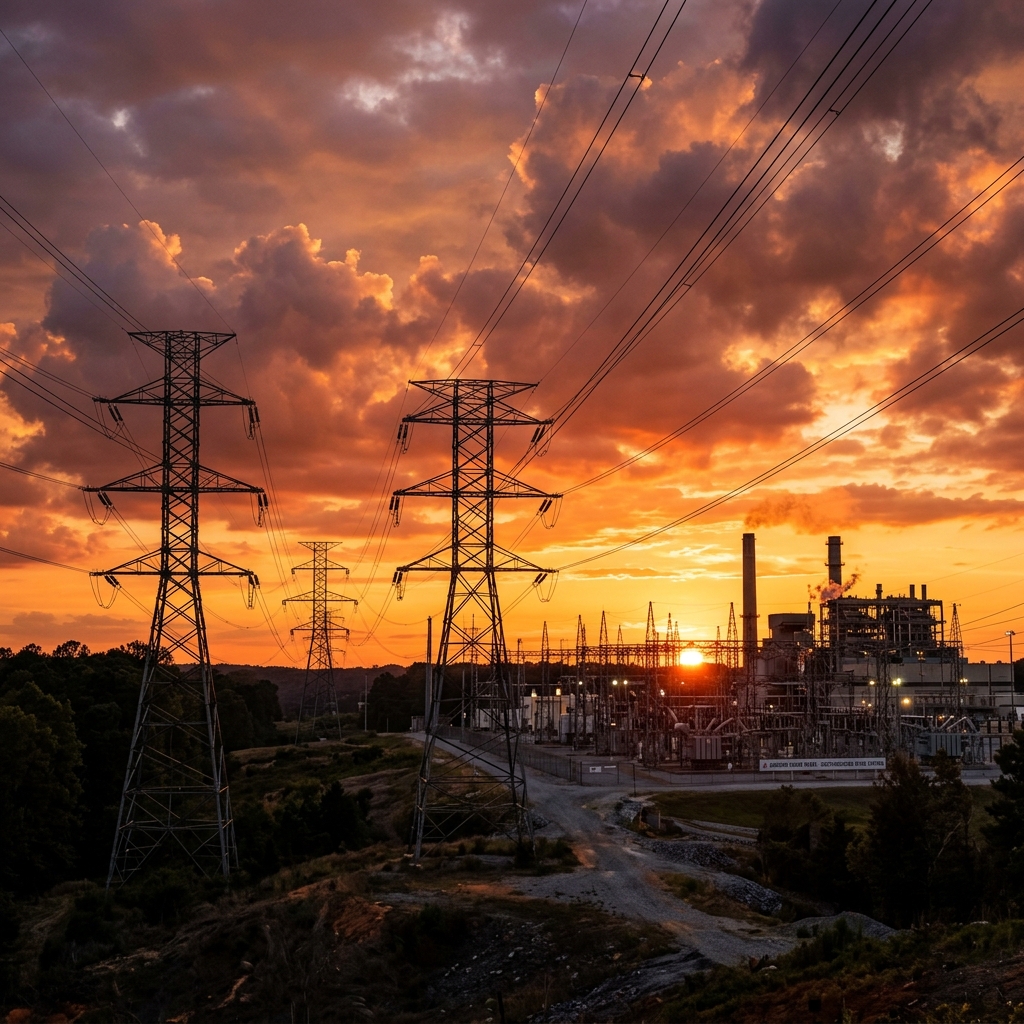
In practice, the most likely next flashpoint is industrial water demand — the data-center boom. A single large data center can use as much water as a small city, and several are in the permitting pipeline for the Fulton-DeKalb-Cherokee corridor.
“Atlanta dodged a bullet today. But the bullet is still on the table. The data-center build-out is going to test this ruling harder than the residential growth that was the question in 2012.”
— Dr. Sandra Cosner, water-policy fellow at Georgia State University
What happens next
Atlanta’s next round of water-supply planning is due in 2027, when the city will publish an update to its 50-year water-supply master plan. That document will almost certainly be the next legal battleground.
Three things to watch:
- Industrial water demand. The EPD is currently reviewing permits for 7 new large water users in the metro. If approved, total new demand could exceed 60 million gallons per day.
- Federal negotiations. The ACF basin compacts between Georgia, Alabama, and Florida expire in 2028. The three states are already in preliminary talks.
- Climate change. The ACF basin has lost roughly 15 percent of its average annual flow over the past two decades. The Corps of Engineers is currently updating its operating manual for the basin, with a draft due later this year.
Devon Patterson covers policing, courts, and public money for WACN 21. This is part of an ongoing project tracking water policy in Georgia. Reach them at dpatterson@wacn21.com.