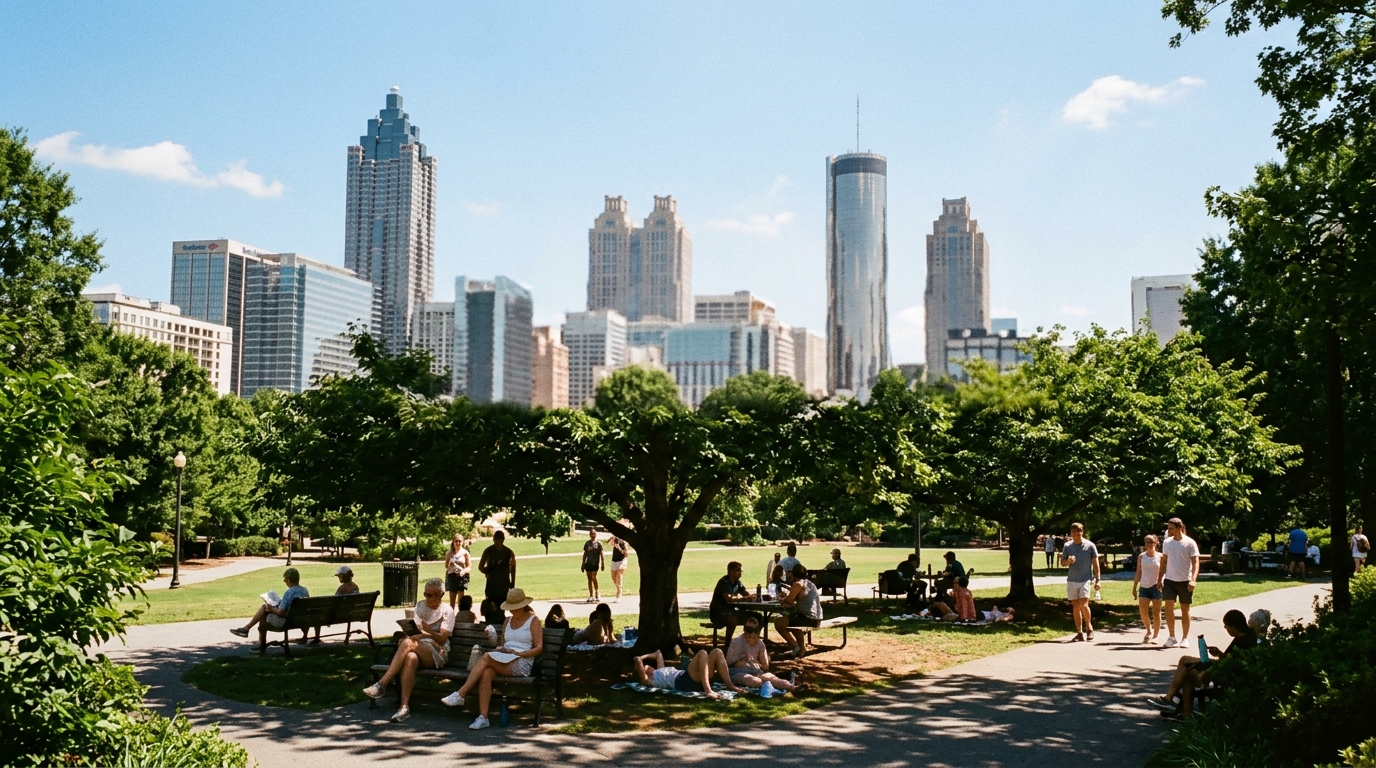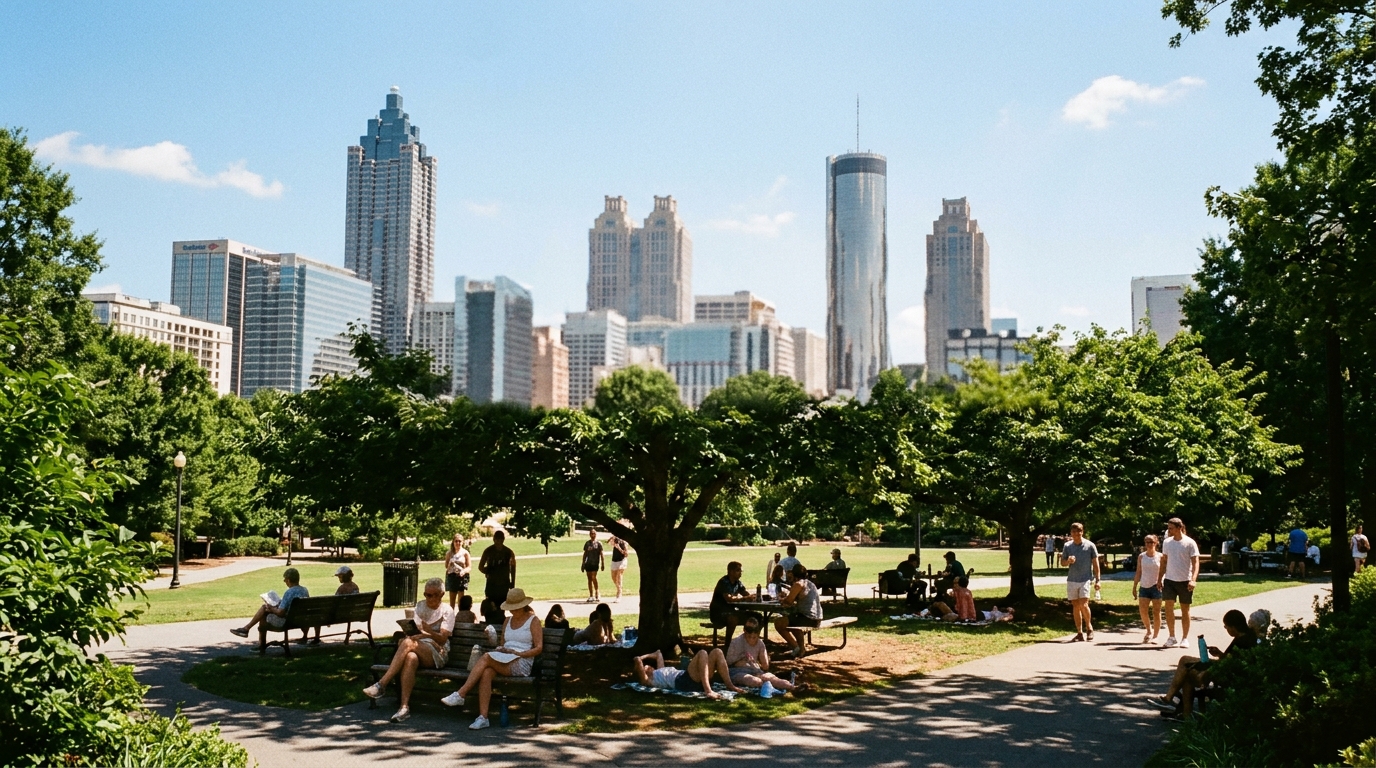

Spring break is supposed to be a time for backyard cookouts, pool days and afternoon trips to the park. This year, metro Atlanta families are getting more heat than they bargained for.
NWS Issues Heat Advisories
The National Weather Service has issued heat advisories for the Atlanta metropolitan area and much of north Georgia as an early-season heat dome settles over the region. The advisories cover the spring break period running from April 3 through April 12, warning residents and visitors that conditions could be dangerous for anyone spending extended time outdoors.
Heat index values — which combine air temperature and humidity to reflect how the heat actually feels on the human body — are expected to reach the upper 90s to mid-100s during peak afternoon hours on multiple days this week. Those readings are well above the threshold that weather officials consider hazardous, particularly for vulnerable populations.
Who Is Most at Risk?
Extreme heat does not affect everyone equally. The NWS warns that the following groups face the greatest danger:
- Young children and infants, whose bodies regulate temperature less efficiently than adults.
- Older adults, especially those with chronic health conditions or limited mobility.
- Outdoor workers, including construction crews, landscapers and delivery drivers who spend hours in direct sun.
- Athletes and exercisers who may push through warning signs while training outdoors.
- People without access to air conditioning, who cannot escape the heat indoors.
Safety Tips for the Week
Health officials and the NWS are urging metro Atlanta residents to take the heat seriously, even if spring temperatures do not feel as threatening as a midsummer scorcher. Here are key recommendations:
- Stay hydrated. Drink water consistently throughout the day, even if you do not feel thirsty. Avoid alcohol and heavily caffeinated beverages, which can accelerate dehydration.
- Limit outdoor activity during peak hours. The hottest and most dangerous window is typically between 11 a.m. and 5 p.m. If possible, schedule outdoor plans for early morning or evening.
- Seek shade and cool spaces. When outside, stick to shaded areas. Public libraries, community centers, and shopping malls can serve as cooling stations for anyone who needs relief.
- Wear appropriate clothing. Light-colored, loose-fitting clothes help the body stay cooler. A wide-brimmed hat and sunglasses provide additional protection from direct sun.
- Never leave children or pets in a parked vehicle. Interior car temperatures can spike to lethal levels within minutes, even with windows cracked.
- Check on neighbors. A quick phone call or knock on the door can make a life-saving difference for elderly or isolated residents.
Schools and Camps Should Plan Ahead
With many school-age children out on spring break, parents and camp organizers should pay close attention to outdoor schedules. Water breaks should be frequent and mandatory, and any signs of heat-related illness — including dizziness, nausea, rapid heartbeat or confusion — should be treated as an emergency.
When Will It Break?
Forecasters say the worst of the heat is concentrated in the middle portion of the spring break window, with some relief possible toward the end of next week as a cold front approaches from the northwest. However, models remain uncertain on timing, and residents should continue monitoring NWS updates through the weekend.
WACN 21 will continue to track conditions and provide updated forecasts throughout the spring break period.
Tom Whitaker covers weather and climate for WACN 21. Reach him at twhitaker@wacn21.com.